
Martijn Fokker rejoins our design department
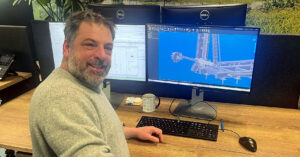
This is a man who loves the impossible. After seven years, we welcome Martijn Fokker back to the Comtest family. “I have been working at Comtest for 16 years and thought it was time for something different, but there’s something about these chamber projects that kept me coming back,” says Martijn.
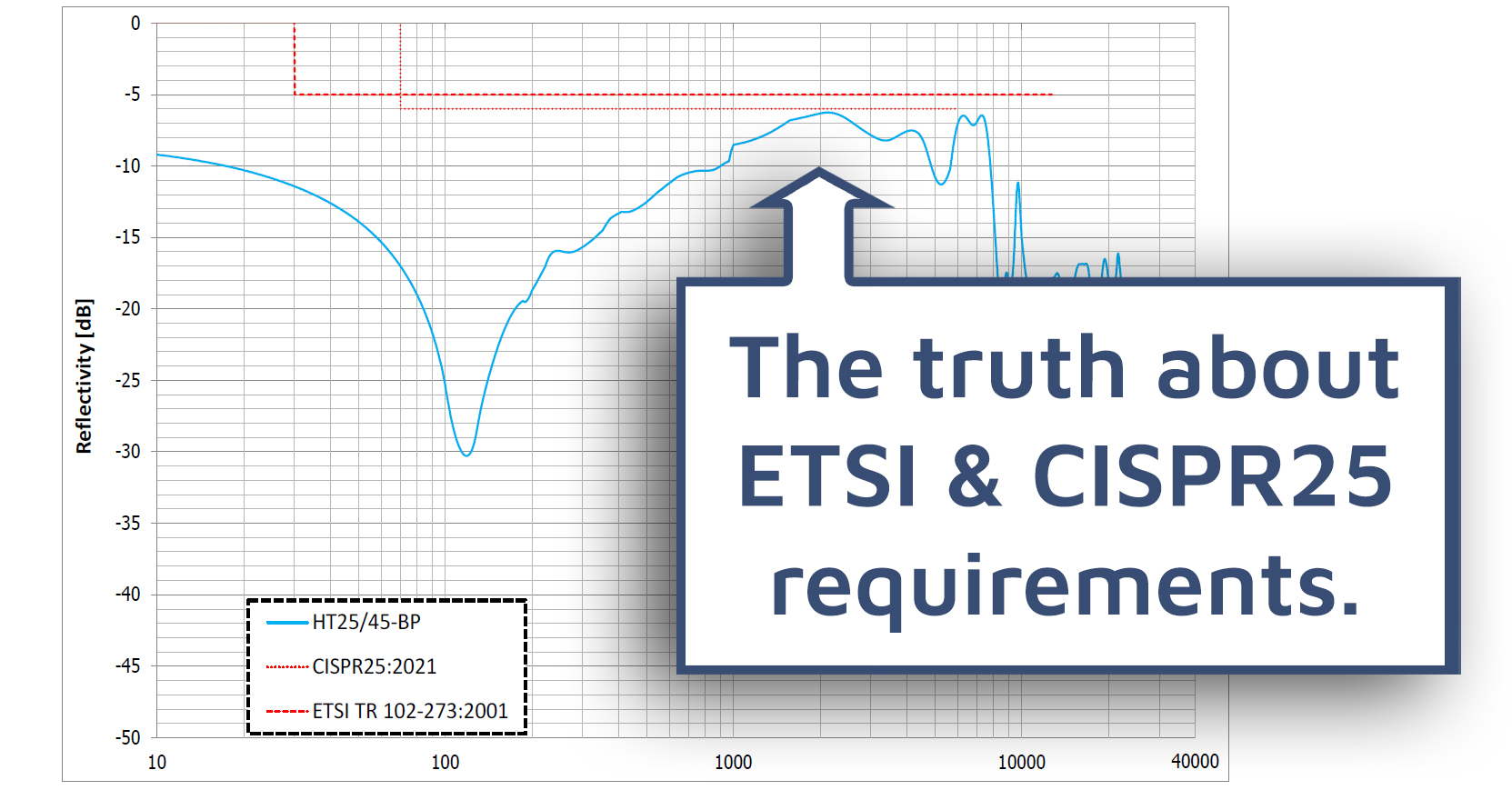
“Any test house in the world must always be compliant to the letter, which means for ETSI and CISPR25 respecting the reflectivity limit lines of this graph,” says Uliana Trucchi, one of our technical consultants with over thirty years of experience in the business.
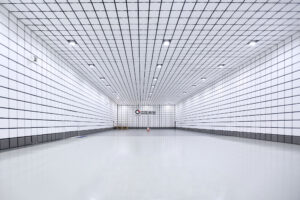
“The problem is that suppliers of test chambers often propose partially lined hybrid solutions to test houses that will meet the RSM test for ETSI and the LWM test for CISPR25, but do not respect the absorber reflectivity levels demanded by those standards, which imply full hybrid lining, and in the case of ETSI, 1 meter clearance in height between tip of antenna and tips of absorbers. They inform their clients that the risks are minimal or, based on their experience, the chamber is likely to pass the accreditation. However, the responsibility always lies with the test house, which can lead to costly problems.”
How can we resolve this misunderstanding?
Uliana: “Test houses should always consult their objective accreditation body before purchasing a chamber. Even if the chamber supplier claims it will be fine, the test house always bears the final responsibility and risks. And why take the risk?”
What if the test house has a partially aligned chamber and wants to perform the ETSI or CISPR-25 tests?
Uliana: “If you already have a chamber, we can upgrade it by covering the walls and ceiling completely. People can send me a message via LinkedIn if they need guidance.”